
Understanding Welded Plate Heat Exchangers: Key Features and Applications
Release time:
2025-12-13
Welded plate heat exchangers are specialized devices designed for efficient heat transfer between two fluids. These exchangers consist of multiple thin plates that are bonded together through welding, creating a series of channels for fluid flow. This design not only maximizes the surface area for heat exchange but also minimizes the overall size of the unit, making it an ideal choice for various
One of the primary advantages of welded plate heat exchangers is their exceptional thermal efficiency. The welded construction allows for minimal leakage, making them suitable for high-pressure and high-temperature applications. This feature is particularly beneficial in industries such as chemical processing, oil and gas, and power generation, where maintaining system integrity is crucial. Furthermore, the compact design of these exchangers enables easier installation and integration into existing systems, saving valuable floor space in facilities.
Another noteworthy characteristic of welded plate heat exchangers is their versatility. They can handle a wide range of fluids, including aggressive chemicals and high-viscosity substances. The welded plates can be customized to cater to specific fluid properties, ensuring optimal performance and longevity. Additionally, the removable plates allow for ease of maintenance, enabling quick inspections and cleaning without significant downtime.
In terms of applications, welded plate heat exchangers are commonly used in various sectors, including HVAC systems, food and beverage processing, and pharmaceuticals. In HVAC systems, they are utilized for temperature regulation and energy recovery, contributing to overall energy efficiency. In the food and beverage industry, their ability to maintain hygiene while providing effective heat transfer makes them an ideal choice for pasteurization and sterilization processes. Similarly, in pharmaceutical manufacturing, these exchangers help maintain strict temperature controls required during production.
Moreover, the design of welded plate heat exchangers facilitates effective heat transfer even with low temperature differences between the two fluids. This attribute is particularly important in applications where maximizing energy recovery is critical. The engineering behind these devices ensures that they operate efficiently across various operational conditions, contributing to reduced energy consumption and operational costs.
In conclusion, welded plate heat exchangers are essential components in many industrial processes, providing efficient and reliable heat transfer solutions. Their robust design, coupled with versatility and high thermal efficiency, makes them a preferred choice for numerous applications. Understanding their features and benefits can help industries make informed decisions about their thermal management needs, ultimately leading to improved operational performance and energy savings.
Latest News
Stainless Steel Pressure Vessel: Vertical Buffer & Separation Tank for Industrial Process
This article introduces vertical stainless steel pressure vessels, including their structural characteristics, fabrication standards, core functions and common working scenarios. Manufactured from stainless steel plates, this type of pressure vessel can be used for gas-liquid separation, medium buffering, temporary storage and steady flow regulation under pressure.
2026-09-22
Shell and Tube Heat Exchanger: Tubular Heat Exchanger for Hydraulic Oil Cooling
This article introduces the structure, working principle, advantages and application scope of shell and tube heat exchangers. This tubular cooler adopts copper heat transfer tubes inside the shell, featuring reliable pressure resistance and good heat transfer performance, commonly used for cooling hydraulic oil and lubricating oil in machinery.
2026-09-22
Industrial Plate Heat Exchanger: Features, Performance and Application Benefits
Plate heat exchangers have become mainstream thermal exchange equipment in modern industrial systems due to their compact structure, outstanding heat transfer performance and flexible modular design. This article focuses on the performance characteristics, structural design, practical advantages and diverse industrial applications of industrial plate heat exchangers, providing a professional reference for industrial heating, cooling and waste heat recovery projects.
2026-09-22
This article introduces the structural features, working principle, core advantages and application scenarios of demountable plate heat exchangers. Featuring high heat transfer efficiency and convenient disassembly & maintenance, this equipment is widely used in various industrial heat exchange processes.
2026-09-22
GET A FREE QUOTE
If you are interested in our products and services, please contact us or leave us a message, we will serve you wholeheartedly
CONTACT : MR. GAO
Add : Yanbei Street, Qihe County, Dezhou City, Shandong Province


CONTACT : MR. JIAO
Add : Yanbei Street, Qihe County, Dezhou City, Shandong Province

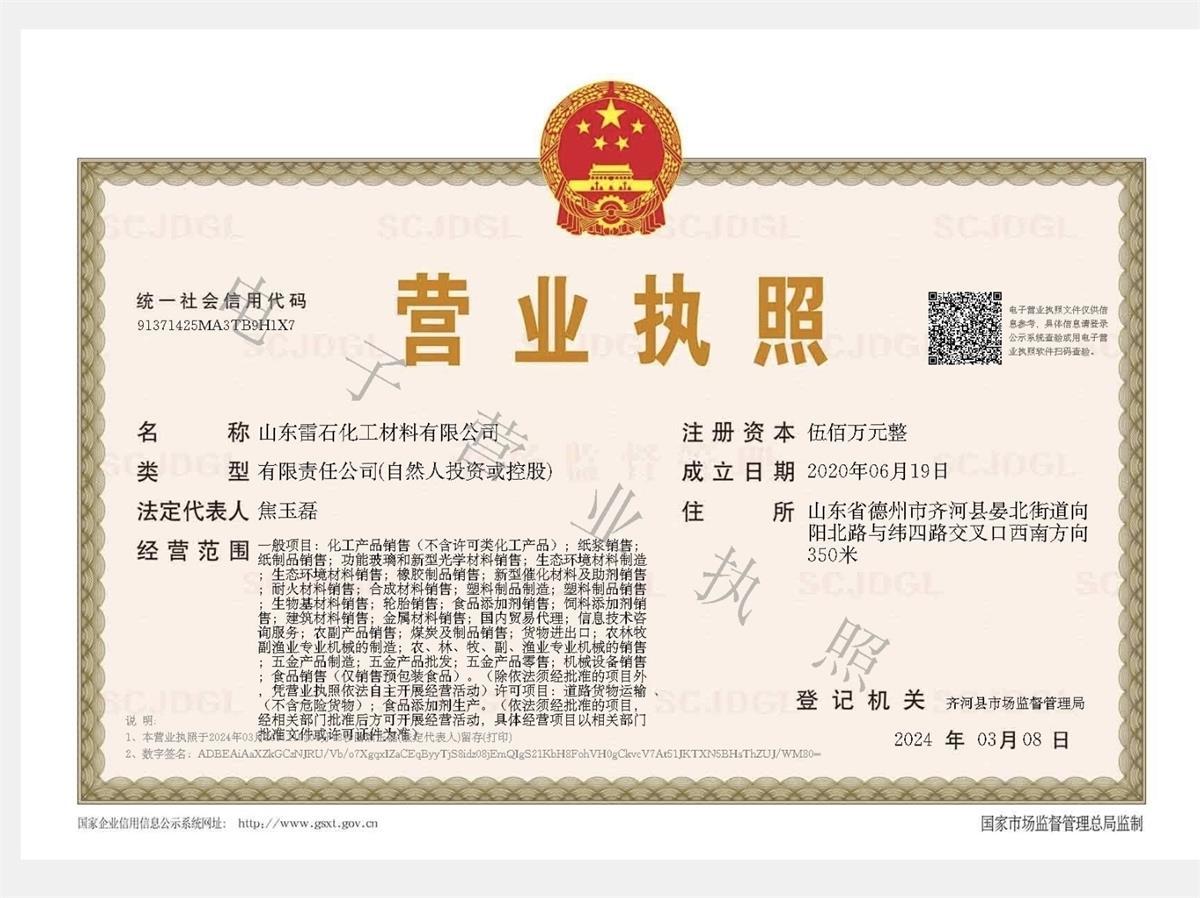
Copyright : Shandong Raystone Chemical Material Co. , Ltd. Powerby : 300.cn jinan2 SEO BUSINESS LICENSE