
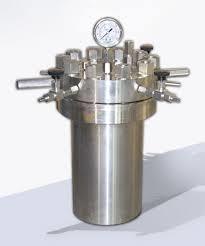
High Pressure Hydrothermal Autoclave Reactors: Key Applications in Scientific Research
High Pressure Hydrothermal Autoclave Reactors: Key Applications in Scientific Research Table of Contents 1. Introduction to High Pressure Hydrothermal Autoclave Reactors 2. Working Principle of Hydrothermal Autoclave Reactors 3. Key Applications in Scientific Research 3.1 Material Synthesis and Characterization 3.2 Biomass Conversion and Waste Treatmen
30
2025
/
03
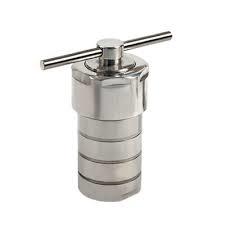
Exploring the Importance of High-Pressure Hydrothermal Autoclave Reactors in Life Sciences
High-pressure hydrothermal autoclave reactors are essential instruments in the field of life sciences, particularly for researchers and professionals engaged in material synthesis, chemical reactions, and exploration of various biochemical processes. These reactors are designed to withstand high pressures and temperatures, creating an environment conducive to reactions that would otherwise be impo
29
2025
/
03
Exploring the Advantages of High Pressure Hydrothermal Autoclave Reactors for Research in Life Sciences Table of Contents 1. Introduction to High Pressure Hydrothermal Autoclave Reactors 2. The Importance of Hydrothermal Processing in Research 3. How High Pressure Hydrothermal Autoclave Reactors Work 4. Key Benefits of Using High Pressure Hydrothermal Autoclave Reactors 4.1. En
28
2025
/
03

28
2025
/
03
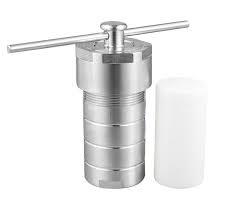
Exploring the High Pressure Hydrothermal Autoclave Reactor: A Key Instrument in Life Sciences
High pressure hydrothermal autoclave reactors are essential instruments in the field of life sciences, facilitating a wide range of experiments and processes that require precise control over temperature and pressure. These reactors are designed to withstand extreme conditions, allowing researchers to conduct hydrothermal synthesis, mineralization, and other chemical reactions that occur in aqueou
27
2025
/
03
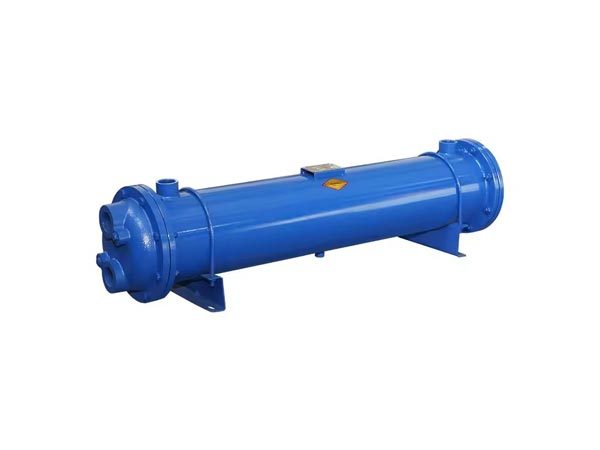
How to Effectively Monitor and Control Temperature in Scraped Surface Heat Exchangers
How to Effectively Monitor and Control Temperature in Scraped Surface Heat Exchangers Table of Contents 1. Introduction to Scraped Surface Heat Exchangers 2. The Importance of Temperature Control 3. Techniques for Monitoring Temperature 3.1 Types of Temperature Sensors 3.2 Data Logging and Monitoring Systems 4. Control Methods for Tem
26
2025
/
03
GET A FREE QUOTE
If you are interested in our products and services, please contact us or leave us a message, we will serve you wholeheartedly
CONTACT : MR. GAO
Add : Yanbei Street, Qihe County, Dezhou City, Shandong Province


CONTACT : MR. JIAO
Add : Yanbei Street, Qihe County, Dezhou City, Shandong Province

Copyright : Shandong Raystone Chemical Material Co. , Ltd. Powerby : 300.cn jinan2 SEO BUSINESS LICENSE