
How to choose the best heat exchanger for you?
Release time:
2024-12-27
When choosing a heat exchanger, the following aspects need to be considered:
1. Fluid properties: Different heat exchangers are suitable for different fluid properties. For example, shell and tube heat exchangers are suitable for cases where the fluid is clean and not easy to scale, and the temperature difference between the two fluids is not large or large, but the shell pressure is not high.
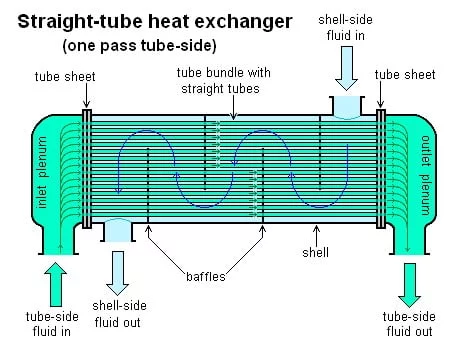
2. Operating conditions: including pressure, temperature and allowable pressure drop range. These parameters determine the type and material of the heat exchanger. For example, a fixed tubesheet heat exchanger is suitable for situations where the temperature difference between the shell wall and the tube wall does not exceed 70 ° C.
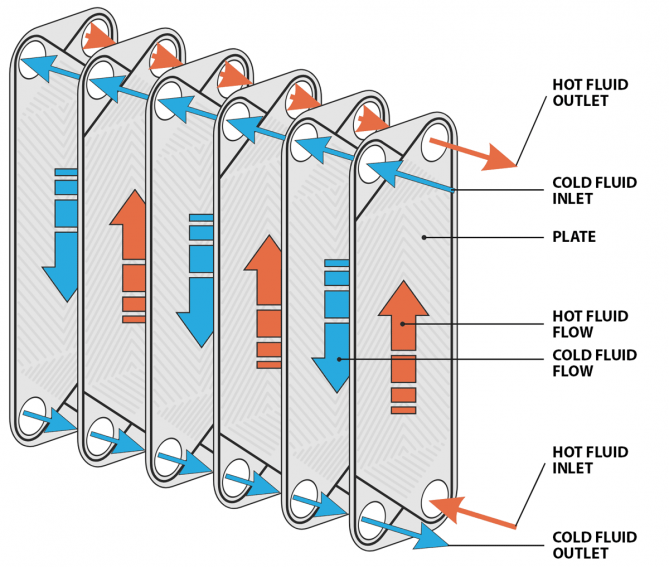
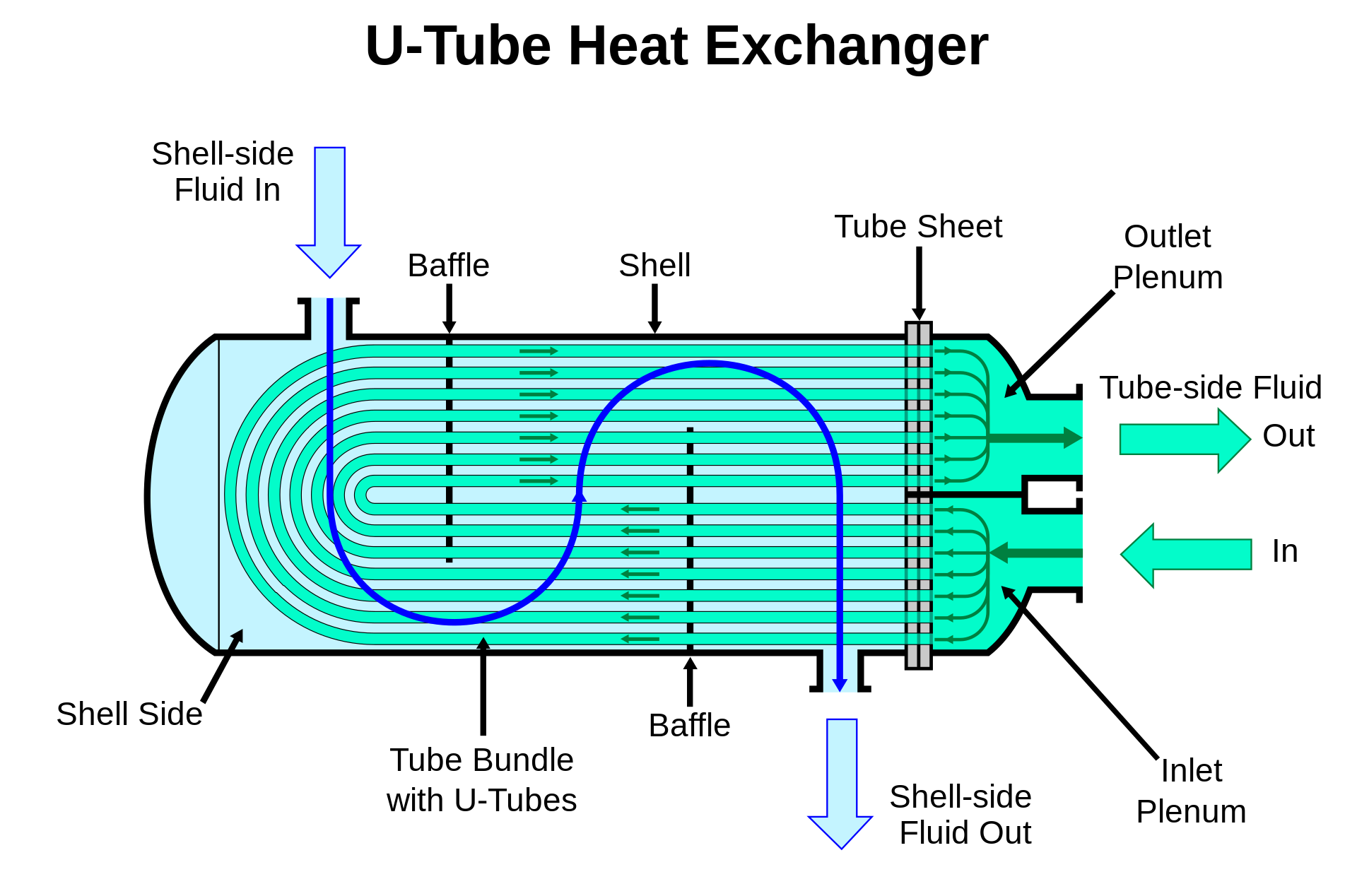
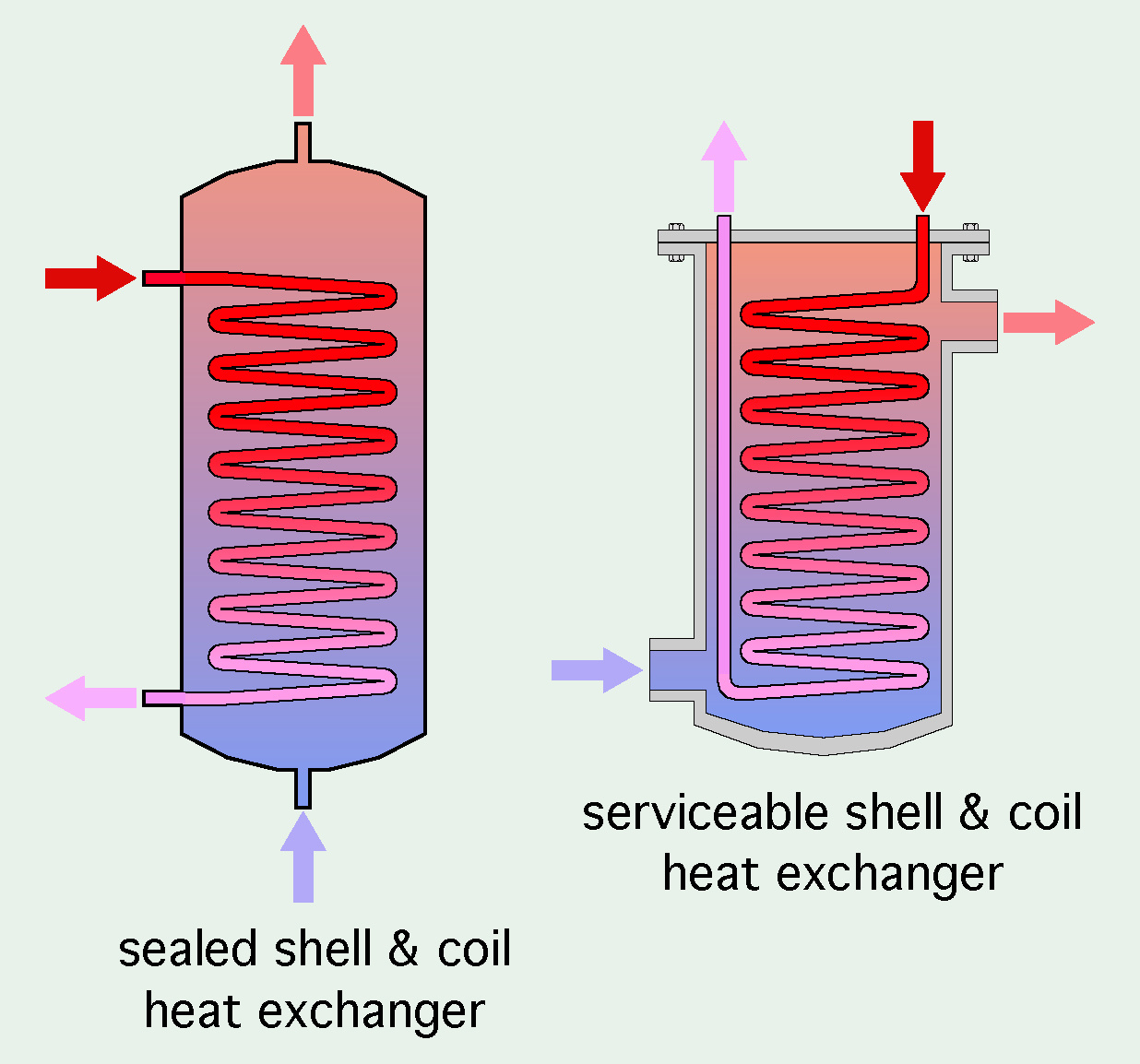
3. Cleaning and maintenance requirements: Considering the cleaning and maintenance needs of the heat exchanger during use, choose the type that is easy to clean and maintain. For example, the tube bundle of the floating head heat exchanger can be freely drawn out for easy maintenance and cleaning.
4. Cost consideration: including initial investment cost and long-term operation cost. Under the premise of meeting the process requirements, the most cost-effective solution is selected. For example, from an economic point of view, as long as the process conditions allow, the fixed tubesheet heat exchanger4 should be preferred.
5. Service life: Select materials and designs with good durability to ensure that the heat exchanger can operate stably during the expected service life.
In summary, when selecting heat exchangers, the above factors need to be considered comprehensively, and the specific process requirements and budget constraints are combined to make decisions.
If you have any questions about the equipment selection, please contact us. Shandong Raystone will provide you quality one-stop service!
Latest News
Stainless Steel Pressure Vessel: Vertical Buffer & Separation Tank for Industrial Process
This article introduces vertical stainless steel pressure vessels, including their structural characteristics, fabrication standards, core functions and common working scenarios. Manufactured from stainless steel plates, this type of pressure vessel can be used for gas-liquid separation, medium buffering, temporary storage and steady flow regulation under pressure.
2026-09-22
Shell and Tube Heat Exchanger: Tubular Heat Exchanger for Hydraulic Oil Cooling
This article introduces the structure, working principle, advantages and application scope of shell and tube heat exchangers. This tubular cooler adopts copper heat transfer tubes inside the shell, featuring reliable pressure resistance and good heat transfer performance, commonly used for cooling hydraulic oil and lubricating oil in machinery.
2026-09-22
Industrial Plate Heat Exchanger: Features, Performance and Application Benefits
Plate heat exchangers have become mainstream thermal exchange equipment in modern industrial systems due to their compact structure, outstanding heat transfer performance and flexible modular design. This article focuses on the performance characteristics, structural design, practical advantages and diverse industrial applications of industrial plate heat exchangers, providing a professional reference for industrial heating, cooling and waste heat recovery projects.
2026-09-22
This article introduces the structural features, working principle, core advantages and application scenarios of demountable plate heat exchangers. Featuring high heat transfer efficiency and convenient disassembly & maintenance, this equipment is widely used in various industrial heat exchange processes.
2026-09-22
GET A FREE QUOTE
If you are interested in our products and services, please contact us or leave us a message, we will serve you wholeheartedly
CONTACT : MR. GAO
Add : Yanbei Street, Qihe County, Dezhou City, Shandong Province


CONTACT : MR. JIAO
Add : Yanbei Street, Qihe County, Dezhou City, Shandong Province

Copyright : Shandong Raystone Chemical Material Co. , Ltd. Powerby : 300.cn jinan2 SEO BUSINESS LICENSE