
Understanding Plate Style Heat Exchangers: Key Features and Benefits
Release time:
2026-01-12
Plate style heat exchangers are an integral part of industrial thermal management systems, designed to facilitate efficient heat transfer between two fluids. Their unique design, which consists of numerous thin plates stacked together, maximizes the surface area available for heat exchange while maintaining a compact footprint. This design not only enhances thermal efficiency but also offers sever
One of the primary benefits of plate style heat exchangers is their high efficiency. The plates create turbulent flow, which increases the heat transfer coefficient, allowing for effective temperature regulation between the fluids without requiring excessive energy input. This efficiency can lead to significant energy savings, making plate style heat exchangers an environmentally friendly choice for industries focused on sustainability.
Another notable feature is their versatility. Plate style heat exchangers can be easily customized for various applications, from heating and cooling in HVAC systems to processing and cooling in food and beverage industries, and even in chemical processing. Their modular design allows for easy maintenance and scalability, as units can be added or removed as needed without significant downtime.
The compact design of plate style heat exchangers also makes them ideal for facilities with limited space. Unlike larger shell-and-tube heat exchangers, which can take up considerable room, plate exchangers can be mounted vertically or horizontally, optimizing space utilization. This is particularly advantageous in retrofitting existing systems or designing new installations where space constraints are a concern.
In terms of maintenance, plate style heat exchangers are generally easier to clean than traditional models. Many designs feature removable plates that can be accessed for cleaning without dismantling the entire unit. Regular maintenance ensures that these heat exchangers continue to operate at peak efficiency, prolonging their lifespan and reducing the risk of downtime due to blockages or inefficiencies.
Thermal performance is further enhanced through the use of various plate configurations and materials, catering to specific industrial needs. For instance, some plates may have embossed patterns to increase turbulence, while others may be constructed of corrosion-resistant materials for applications involving aggressive fluids.
In conclusion, plate style heat exchangers present an excellent solution for efficient heat transfer in various industrial applications. Their compact design, high thermal efficiency, versatility, and ease of maintenance make them a preferred choice for many industries looking to optimize energy use and improve operational efficiency. Whether you are looking to upgrade your existing systems or implement a new solution, understanding the features and benefits of plate style heat exchangers will aid in making informed decisions tailored to your specific needs.
Latest News
dustrial Shell & Tube Heat Exchanger for Pump & Valve Circulation Systems
Our shell and tube heat exchangers are ideal to pair with pumps and valves in closed-loop circulation systems. Built for high pressure and high temperature, with a wide range of material choices to handle corrosive industrial fluids.
2026-10-22
Shell and Tube Heat Exchanger, Supporting Pumps & Valves for Industrial Heat Transfer System
Shell and tube heat exchanger, also known as tubular heat exchanger, is widely used for industrial heating, cooling and condensation. It consists of shell, tube bundle, tube sheet and flanged end covers. One medium flows inside the tubes while the other flows in the shell side, achieving heat exchange without cross-contamination.
2026-10-22
Removable Plate Heat Exchanger | Matching Pumps & Valves for Process Heat Transfer Packages
Our plate heat exchangers are widely matched with industrial pumps and valves for complete circulating heat transfer systems. Multiple corrosion-resistant materials are optional, featuring high thermal efficiency and easy disassembly for cleaning. Custom design is available for your chemical, heating and cooling projects.
2026-10-22
Plate heat exchangers are often combined with industrial pumps and pipeline valves to form a complete heat exchange system. They are easy to disassemble and clean with corrosion-resistant material options. Suitable for chemical industry, heating, waste heat recovery and other working conditions. Custom selection is available according to working parameters.
2026-10-22
GET A FREE QUOTE
If you are interested in our products and services, please contact us or leave us a message, we will serve you wholeheartedly
CONTACT : MR. GAO
Add : Yanbei Street, Qihe County, Dezhou City, Shandong Province


CONTACT : MR. JIAO
Add : Yanbei Street, Qihe County, Dezhou City, Shandong Province

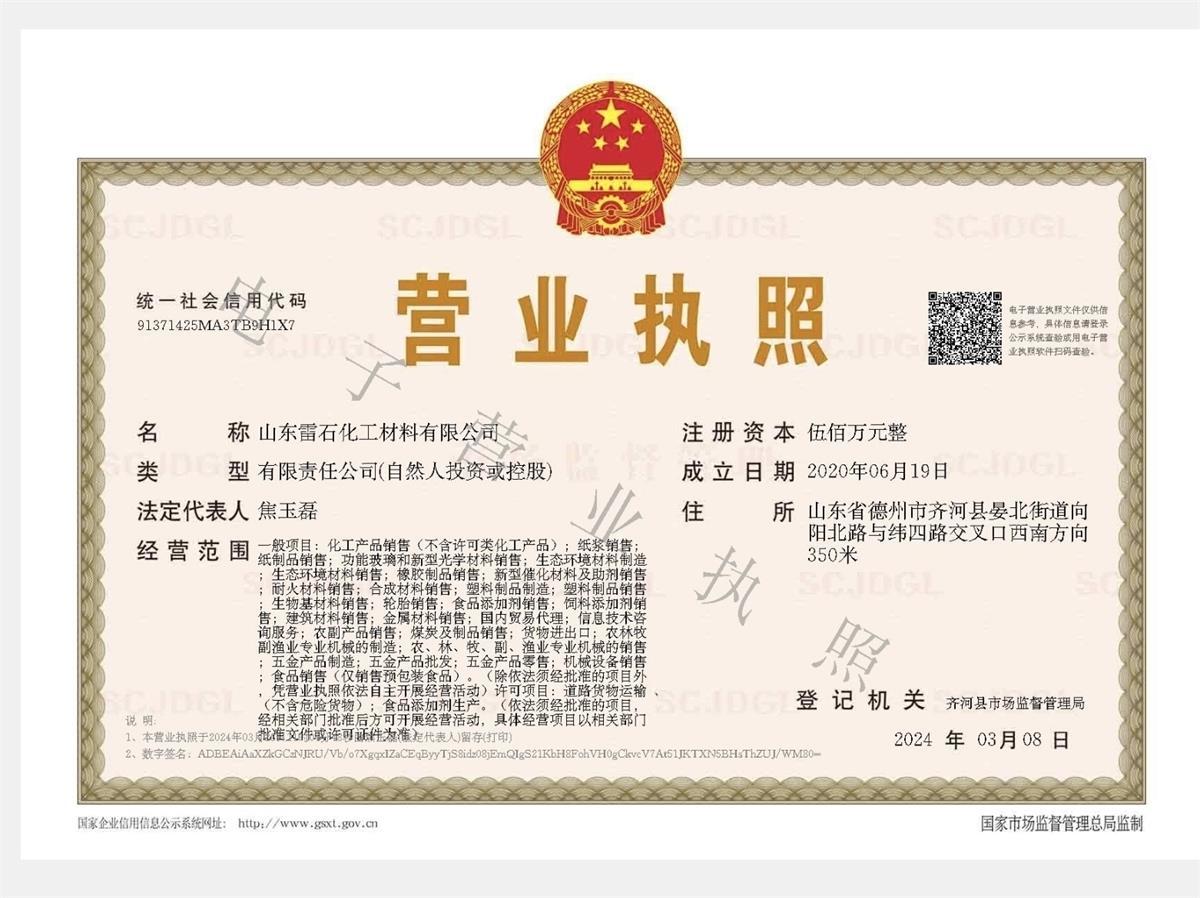
Copyright : Shandong Raystone Chemical Material Co. , Ltd. Powerby : 300.cn jinan2 SEO BUSINESS LICENSE