
A Comprehensive Guide to Wood Stove Heat Exchanger Types: Maximize Your Heating Efficiency
Release time:
2025-07-28
A Comprehensive Guide to Wood Stove Heat Exchanger Types When it comes to heating your home with a wood stove, understanding the various heat exchanger types is essential. Heat exchangers play a critical role in how efficiently your wood stove operates, impacting both fuel consumption and heat distribution within your living space. This comprehensive guide delves into the different types of wood s
A Comprehensive Guide to Wood Stove Heat Exchanger Types
When it comes to heating your home with a wood stove, understanding the various heat exchanger types is essential. Heat exchangers play a critical role in how efficiently your wood stove operates, impacting both fuel consumption and heat distribution within your living space. This comprehensive guide delves into the different types of wood stove heat exchangers, their unique features, and how to select the best one for your specific needs.
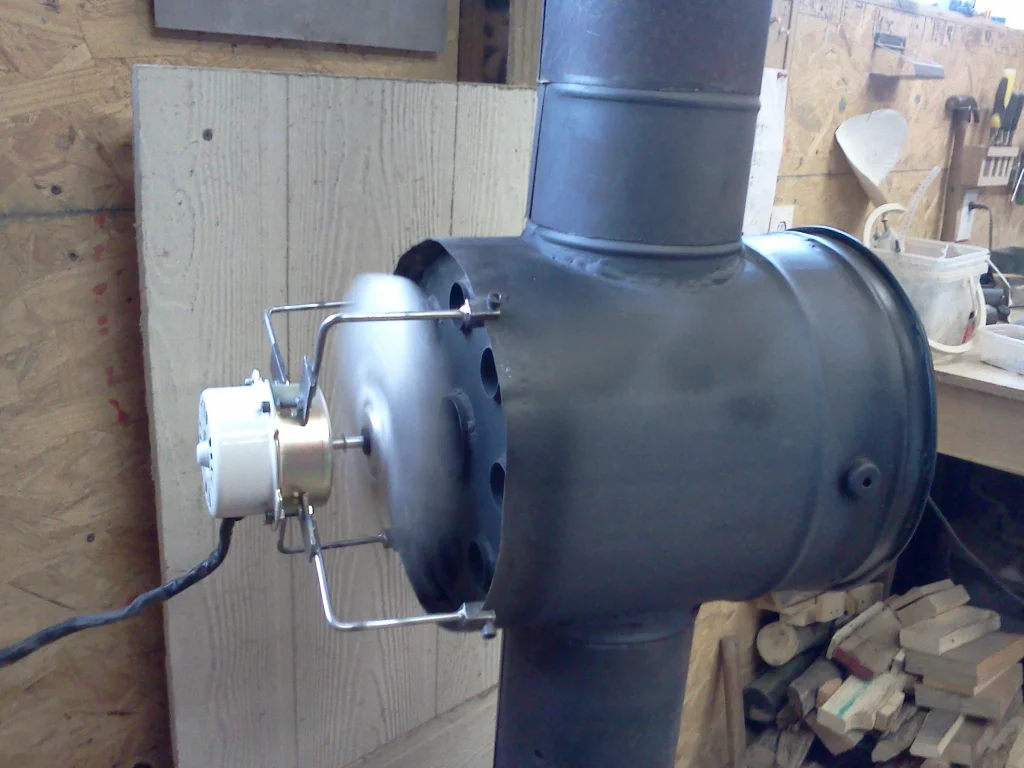
Table of Contents
- What is a Heat Exchanger?
- Importance of Heat Exchangers in Wood Stoves
- Types of Wood Stove Heat Exchangers
- How to Choose the Right Heat Exchanger
- Installation and Maintenance Tips
- Common Issues and Solutions
- Frequently Asked Questions
- Conclusion
What is a Heat Exchanger?
A heat exchanger is a device designed to transfer heat between two or more fluids. In wood stoves, heat exchangers facilitate efficient heat transfer from the burning wood to the air or water that heats your home. The main goal of a heat exchanger is to maximize heat output while minimizing energy loss, ensuring that your wood-burning appliance operates at optimum efficiency.
Importance of Heat Exchangers in Wood Stoves
Heat exchangers significantly improve the efficiency of wood stoves by facilitating better heat distribution. By maximizing heat transfer, they ensure that more of the energy produced from burning wood is converted into usable heat, leading to:
- Lower fuel consumption
- Improved heating performance
- Reduced emissions and environmental impact
- Enhanced comfort in your home
Choosing the right heat exchanger can significantly influence your wood stove's performance and, ultimately, your heating costs. Thus, understanding the various types available is crucial.
Types of Wood Stove Heat Exchangers
There are several types of heat exchangers used in wood stoves, each with distinct benefits and drawbacks. Below, we explore the most common types.
Water Jacket Heat Exchangers
Water jacket heat exchangers are among the most popular types used in wood stoves. These systems utilize water-filled jackets surrounding the stove to absorb heat. As water heats up, it can be used for central heating or domestic hot water, enhancing overall efficiency.
- Advantages: Efficient heat transfer, dual functionality (heating water and space), and reduced emissions.
- Disadvantages: More complex installation, potential for leaks, and higher initial costs.
Air-Cooled Heat Exchangers
Air-cooled heat exchangers are designed to transfer heat directly into the air. This type is commonly used in freestanding wood stoves, where a fan blows air over heated surfaces to distribute warmth throughout the room.
- Advantages: Simpler installation, lower cost, and quick heat distribution.
- Disadvantages: Less efficient than water jacket systems and may not provide sufficient heat for larger spaces.
Direct Vent Heat Exchangers
Direct vent heat exchangers draw air from outside for combustion and exhaust gases, providing a sealed system that enhances efficiency. This type is especially useful in tightly sealed homes where indoor air quality is a concern.
- Advantages: Improved indoor air quality, reduced heat loss, and enhanced safety.
- Disadvantages: Higher installation costs and complexity.
Heat Pump Heat Exchangers
Heat pump heat exchangers utilize refrigeration technology to move heat rather than generating it. These systems can be combined with wood stoves to provide supplemental heating, especially during milder temperatures.
- Advantages: High efficiency, versatility, and year-round use.
- Disadvantages: Initial investment can be high, and performance may drop in extreme cold.
Dual Purpose Heat Exchangers
Dual purpose heat exchangers combine the functionality of both water and air systems, allowing them to serve multiple heating needs efficiently. These systems are ideal for larger homes with diverse heating requirements.
- Advantages: Versatile heating capabilities, efficient performance, and reduced fuel consumption.
- Disadvantages: More complex installation and maintenance requirements.
How to Choose the Right Heat Exchanger
Choosing the right heat exchanger for your wood stove involves several factors:
- Heating Requirements: Consider the space you need to heat and your household’s hot water needs.
- Efficiency Goals: Determine how much efficiency you want based on your fuel consumption and environmental concerns.
- Installation Space: Evaluate the available space for installation and choose a system that fits your layout.
- Budget: Factor in both initial costs and long-term operational expenses.
By considering these aspects, you can make an informed decision that aligns with your heating needs and financial goals.
Installation and Maintenance Tips
Proper installation and maintenance are crucial for maximizing the efficiency and longevity of your heat exchanger. Here are some tips:
- Hire a Professional: For complex installations, hiring a qualified technician is recommended to ensure proper setup.
- Follow Manufacturer Guidelines: Always adhere to the installation and maintenance guidelines provided by the manufacturer.
- Regular Inspections: Schedule annual inspections to check for issues like leaks, corrosion, and blockages.
- Keep Clean: Regularly clean components to prevent buildup and maintain efficiency.
Common Issues and Solutions
Even with the best systems, problems can arise. Here are some common issues and how to address them:
- Inadequate Heating: Check for blockages in air or fluid pathways and ensure the system is properly sized for your space.
- Noise: Vibrations may arise from loose components; tighten any loose parts and check fans for proper operation.
- Water Leaks: Inspect seals and connections in water jacket systems; replace any damaged parts immediately.
Frequently Asked Questions
1. How do I know what size heat exchanger I need for my wood stove?
To determine the appropriate size, consider the square footage of the space you want to heat and the stove's BTU output. Consult the manufacturer's specifications for guidance.
2. Can I install a heat exchanger myself?
While some heat exchangers may be simple to install, we recommend hiring a professional for complex systems to ensure safety and compliance with building codes.
3. What maintenance does a heat exchanger require?
Regular maintenance includes cleaning, inspections for leaks, checking connections, and ensuring proper airflow. Follow manufacturer recommendations for specific maintenance schedules.
4. How does a heat exchanger improve efficiency?
A heat exchanger maximizes the transfer of heat from the combustion process to the heating medium (air or water), reducing fuel consumption and increasing the overall efficiency of the wood stove.
5. Are there any safety concerns with using a heat exchanger?
When installed correctly, heat exchangers are safe. However, ensure that your system is well-maintained and free from leaks to prevent any potential hazards.
Conclusion
Understanding the different types of wood stove heat exchangers and how they work is essential for maximizing your heating efficiency and comfort. By carefully evaluating your options and considering factors such as heating requirements, efficiency goals, and installation space, you can select the ideal system for your home. With proper installation and maintenance, a wood stove heat exchanger can significantly enhance your heating experience while minimizing environmental impact. Equip yourself with knowledge and make an informed choice to enjoy a warm, efficient, and cozy home all winter long!
Latest News
Stainless Steel Pressure Vessel: Vertical Buffer & Separation Tank for Industrial Process
This article introduces vertical stainless steel pressure vessels, including their structural characteristics, fabrication standards, core functions and common working scenarios. Manufactured from stainless steel plates, this type of pressure vessel can be used for gas-liquid separation, medium buffering, temporary storage and steady flow regulation under pressure.
2026-09-22
Shell and Tube Heat Exchanger: Tubular Heat Exchanger for Hydraulic Oil Cooling
This article introduces the structure, working principle, advantages and application scope of shell and tube heat exchangers. This tubular cooler adopts copper heat transfer tubes inside the shell, featuring reliable pressure resistance and good heat transfer performance, commonly used for cooling hydraulic oil and lubricating oil in machinery.
2026-09-22
Industrial Plate Heat Exchanger: Features, Performance and Application Benefits
Plate heat exchangers have become mainstream thermal exchange equipment in modern industrial systems due to their compact structure, outstanding heat transfer performance and flexible modular design. This article focuses on the performance characteristics, structural design, practical advantages and diverse industrial applications of industrial plate heat exchangers, providing a professional reference for industrial heating, cooling and waste heat recovery projects.
2026-09-22
This article introduces the structural features, working principle, core advantages and application scenarios of demountable plate heat exchangers. Featuring high heat transfer efficiency and convenient disassembly & maintenance, this equipment is widely used in various industrial heat exchange processes.
2026-09-22
GET A FREE QUOTE
If you are interested in our products and services, please contact us or leave us a message, we will serve you wholeheartedly
CONTACT : MR. GAO
Add : Yanbei Street, Qihe County, Dezhou City, Shandong Province


CONTACT : MR. JIAO
Add : Yanbei Street, Qihe County, Dezhou City, Shandong Province

Copyright : Shandong Raystone Chemical Material Co. , Ltd. Powerby : 300.cn jinan2 SEO BUSINESS LICENSE